
Tight spaces and recycled air meant attendants felt especially vulnerable to infection. “We were frontline workers without frontline pay or protection,” said Maddie Peters of United. Without access to N95 masks, flight crews resorted to double-masking for protection.
For Southwest flight attendant Lyn Montgomery, chit-chat felt challenging after prolonged tension around masking.
As pandemic restrictions eased in 2022, flight attendants found passenger interact...
The pandemic underscored the vital need for flight attendants to support one another, both on the job and off. Attendants leaned on their unions, airline colleagues, and tight-knit community to cope with furloughs, health risks, unruly passengers, and punishing schedules.
“If it wasn’t for my union, I’d have been destitute and despondent,” said American Airlines attendant Tiffany Fritts. Union-funded healthcare and COBRA subsidies helped her survive months on furlough. Food banks run by the Association of Professional Flight Attendants (APFA) provided groceries when her unemployment checks lagged.
The APFA’s crisis support line fielded calls from anxious attendants struggling to adapt to ever-changing COVID rules. “Just being able to talk through fears with people who understood was so helpful,” said attendant Denice Collins. Peer counseling services, temporary housing, and emergency financial aid offered critical stopgaps.
Online support groups allowed isolated attendants to share stories and feel less alone. “We could vent, ask advice, or send each other funny memes,” said United attendant Chelsia Vardomskii. Virtual happy hours maintained a sense of community when in-person gatherings ceased.
Attendants not as active in unions relied on airline colleagues. “My work family really had my back when I got sick with COVID,” said Southwest attendant Lyn Montgomery. Fellow attendants covered trips so she could fully recover without salary loss. Informal phone trees helped attendants swap shifts or give away unwanted flights.
Onboard, teamwork flourished between attendants determined to withstand turbulent times. “We shared sanitizing duties, reminded each other of mask policies, and agreed to tag team unruly passengers so no one felt singled out,” said Maddie Peters of United. Having each other’s backs preserved solidarity in the face of adversity.
Many attendants found their most steadfast allies were spouses and partners who patiently endured long separations. “My husband was my rock when I got furloughed,” said Fritts. Attendants’ partners frequently sacrificed their own careers to accommodate unpredictable flight schedules and last-minute route changes.
Layovers too became essential opportunities for attendants to console one another about grievances large and small. “We’d meet up at hotels to vent and say ‘I understand, I’ve been there’,” said Montgomery. Cafe meetups, gym sessions, and shared Ubers to the airport preserved a sense of community.
For Southwest flight attendant Lyn Montgomery, chit-chat felt challenging after pr...
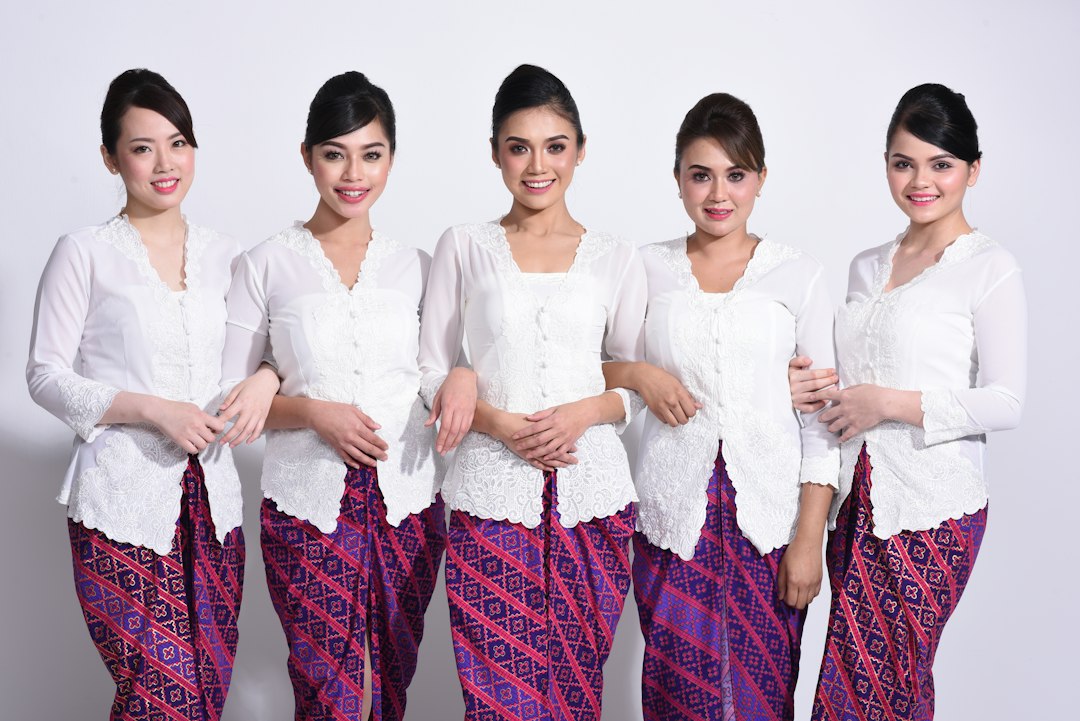
For Southwest flight attendant Lyn Montgomery, chit-chat felt challenging after prolonged tension around masking. “Passengers seemed to want to keep to themselves more,” she said. “Even basic greetings could be met with grunts.” Making small talk took on a tiring awkwardness.
After two years of social isolation, contentious mask debates, and fears of airborne infection, many passengers emerged from the pandemic wanting minimal interaction with strangers. Flight attendants accustomed to friendly banter found lighthearted conversation could now spark friction.
Attendants struggled to reconnect with travelers who preferred silence to dialogue. Efforts to engage frequently went unreciprocated amidst the new climate of distrust and caution. Passengers fixated on phones, books, or staring blankly ahead made clear no discussion was desired.
"It was hard not to take the cold shoulder personally," said Sara Alvarez, a 10-year veteran with Delta. "I was used to passengers lighting up when I joked around. Now I felt like an annoyance anytime I initiated chit-chat."
This impersonal mood left attendants drained trying to uplift reticent flyers. The mental exertion of continually hitting walls of indifference wore them down. "By hour three of a flight I'd just give up trying to spark conversation," Alvarez admitted. "The emotional labor got exhausting."
Many attendants found their usual humor and levity fell flat amidst mass social awkwardness. Anxious flyers were in no mood for comedy routines. United attendant Chelsia Vardomskii said reactions to her jokes went from hearty laughs pre-pandemic to now eliciting glares. Self-consciousness set in.
These frictions surrounding sociability also exacerbated animosity from unruly passengers. Attendants trying to lighten moods with wit risked riling travelers already on edge. Many hesitantly toned down their outgoingness for self-preservation.
"I walk a tightrope engaging passengers now. One wrong joke can turn a normal flyer aggressive these days," said American Airlines' Denice Collins. She painstakingly calibrates her language to avoid inadvertently offending and inciting outbursts. Attendants lamented losing the freedom to be themselves.
This atmosphere of eggshells severely curtailed the vibrant sense of community once central to the inflight experience. American's Tiffany Fritts missed the lively ambience of passengers mingling and swapping stories. "Now an eerie silence hangs in the cabin," she said. "People just want to be left alone with their thoughts."
American Airlines attendant Denice Collins sensed heightened suspicion in passenge...
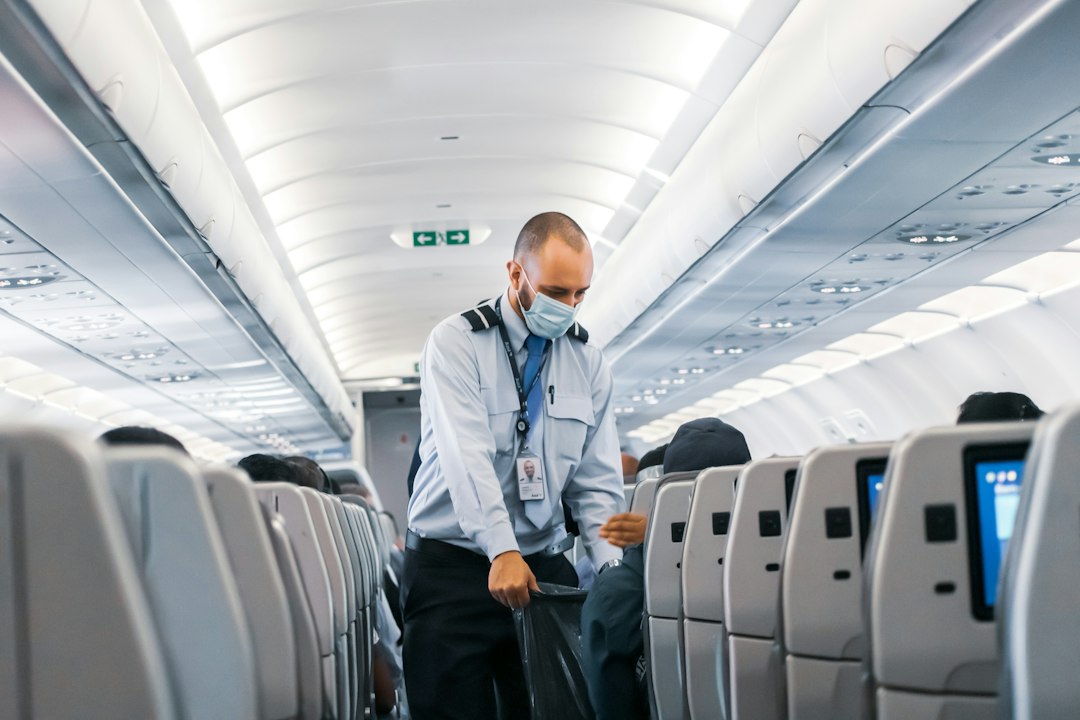
American Airlines attendant Denice Collins sensed heightened suspicion in passenger body language. “People bristled at the most basic safety remindings,” she said. Once routine compliance now signaled implicit distrust between attendants and travelers.
The pandemic exacerbated tensions between passengers and flight crews to an unprecedented degree. Safety protocols like mask mandates sparked friction as anxiety and politics collided at 35,000 feet. Many attendants felt policing mask usage broke an implied covenant of trust and hospitality between themselves and travelers.
Mask enforcement often created an adversarial dynamic as attendants begged for compliance from defiant, belligerent passengers. Delta flight attendant Melanie Anthony described the mask mandate’s psychological toll: “Having to argue with passengers constantly eroded any goodwill. People saw me as an enforcer, not an ally.”
Once sacrosanct safety briefings likewise became minefields as paranoid flyers interpreted basic instructions as implicit criticism. Attendants noticed exasperated sighs and eye rolls when going over seatbelt, oxygen mask, and flotation device procedures prior to takeoff. These rituals of caring now elicited resentment.
Julie Robertson, who has flown over 20 years for United, felt attendants were unfairly caught in the middle as passengers directed their pandemic frustrations at frontline airline workers. “We didn’t make the rules, but we took the brunt of complaints when reminding people of them,” she said. “Some reacted like I was accusing them personally of endangering the flight.”
This pervasive mistrust etched itself into body language. Passenger crossed arms, furrowed brows, and refusal to make eye contact signaled simmering aggravation. Julie Robertson noticed fewer smiles and passengers bristling when she came down the aisle. “People looked at me with suspicion, like I was out to get them in trouble.” The body language of collaboration became adversary.
For junior attendants like Maddie Peters, sour interactions tarnished a dream career. She became a flight attendant to joyfully interact with globetrotting customers. Instead, she found herself engaged in thankless policing. “The nonverbal hostility really got me down,” Peters admitted. “I could tell passengers saw me as a nag, not someone enriching their journey.” This loss of goodwill left attendants demoralized. The attendant-passenger dynamic, once characterized by jovial banter and human connection, became defined by tension and distrust.
Some attendants hoped easing regulations would help rebuild bonds. But passenger courtesy remained depleted even as mandates lifted. Flight crews found themselves bearing the brunt of travelers’ residual frustration over two years of perceived indignities. The underlying current of resentment would require more than removing masks to dissipate.
Lasting change, attendants agreed, must begin with a re-humanization between themselves and passengers. Melanie Anthony called for “public outreach reminding flyers we’re people first, just doing our jobs to keep everyone safe.” Others stressed compassion and forbearance on both sides. The path to restored trust required mutual understanding after prolonged adversity.
Without inflight mingling to liven long hauls, boredom and frustration mounted. "P...
For junior United attendant Maddie Peters, the lack of smiles and banter seemed sa...
Coping with unruly flyers left attendants wary of provoking further conflicts. “I ...
Many found their enthusiasm for engaging passengers drained by the barrage of bell...
Some hoped easing policies would reopen doors between attendants and flyers. “I th...
But attendants agreed lasting change depended on passengers treating crews with re...
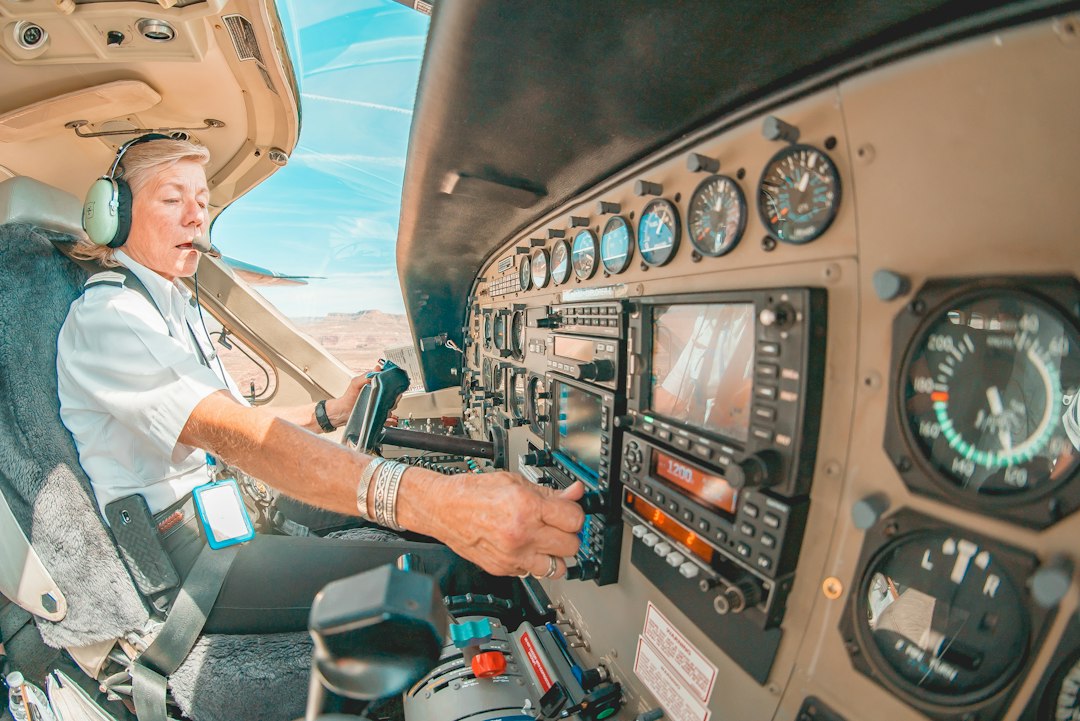
The element of surprise is a key concept emphasized by Sun Tzu in The Art of War that remains highly relevant today. Achieving strategic surprise allows one to gain the upper hand and control the tempo of events. Putin has demonstrated masterful exploitation of surprise throughout his brinkmanship with the West regarding Ukraine.
Catching an opponent off guard throws them into disarray, forcing them to react rather than act. Sun Tzu advised that “what enables the wise sovereign and the good general to strike and conquer, and achieve things beyond the reach of ordinary men, is foreknowledge.” Timing action when the enemy least expects it can decide victory.
Putin kept US intelligence guessing about his true intentions regarding invading Ukraine. Despite amassing nearly 200,000 troops on the border, Putin continued denying plans to attack right up until giving the order. This prolonged uncertainty destabilized Western efforts to mount a coordinated deterrence and forced them into a permanently reactive stance.
Former US Ambassador Michael McFaul noted how Putin’s surprise timing constantly set the agenda forcing the West’s hand: “Putin has been dictating the pace and sequencing of this crisis. He decides when to meet, when to scare, when to signal, when to invade.” The shroud of uncertainty surrounding Putin’s next move prevented effective preemption.
Max Boot, military historian and author of The New American Way of War, commented on how important retaining the prerogative of surprise is in modern conflicts. Putin knows that forewarning rivals of your plans through premature publicity cedes advantage. Boot observed Putin’s operational security gave him the initiative: “The element of surprise is still crucial in war. We have given that up by publicizing our options in advance.”
Achieving surprise through deception was how Putin seized Crimea bloodlessly in 2014. After denying intentions to annex, thousands of clandestinely equipped forces emerged to occupy strategic sites, facing no resistance. As former Ukrainian President Petro Poroshenko reflected: “We didn’t expect Putin would invade Crimea. It became part of Russia before we could comprehend it.” Russia had studied its enemy’s blind spots and struck stealthily.
With time and understanding, flight attendants hope to rediscover the thrill of bo...
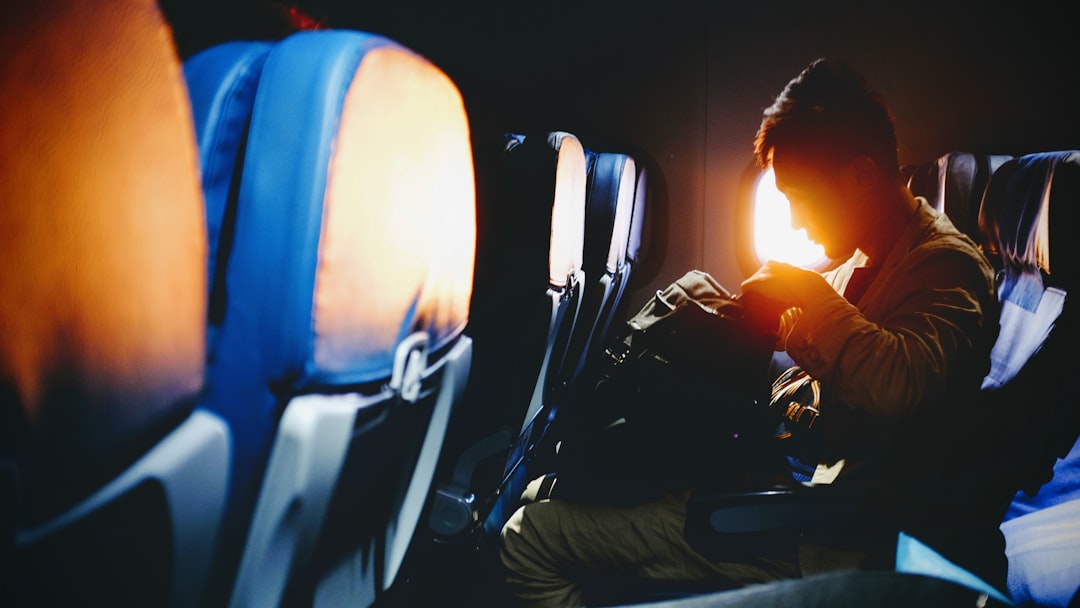
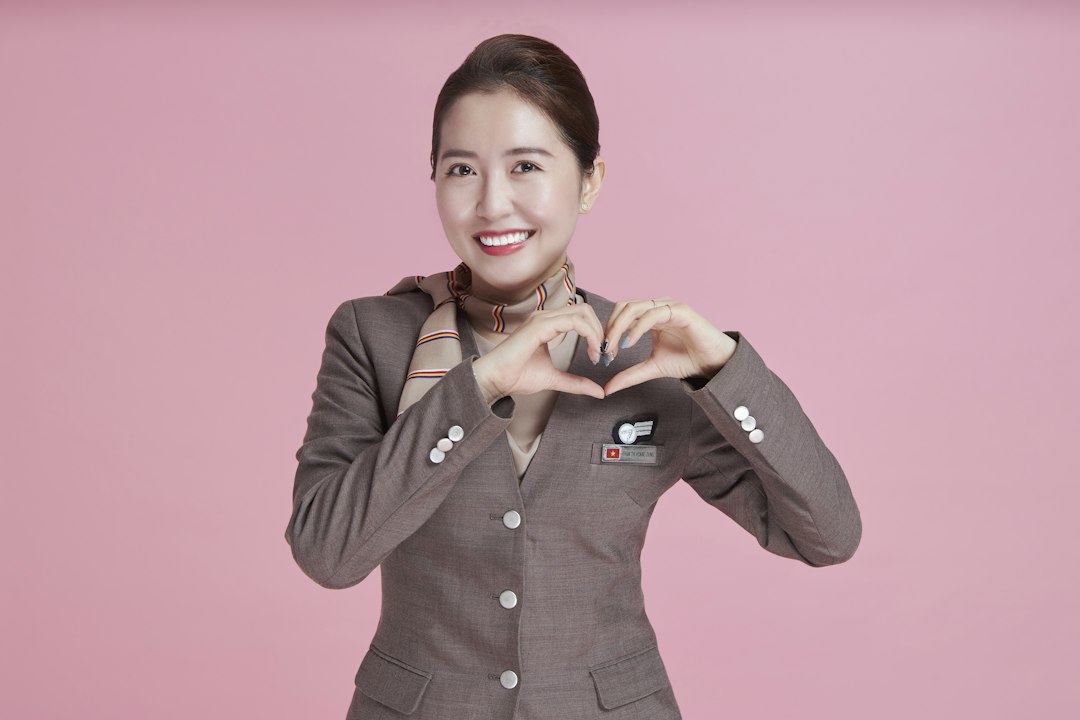
A core tenet of Sun Tzu's teachings is the strategic value of dividing enemies and turning them against each other rather than facing their full collective force. This ethos of exploiting fractures between opponents to undermine cohesion remains highly relevant today. Vladimir Putin has proven adept at strategically fracturing Western unity to weaken the alliance confronting his aggression.
Sun Tzu advised that wise leaders “separate the enemies, scatter their forces, harass them, deprive them of their strengths, obstruct them.” Dividing rivals neutralizes their capabilities by creating internal dysfunction. Individual members end up working at cross purposes rather than coordinating their powers effectively. This fragmentation leaves them vulnerable to being pitted against each other.
Putin advanced his objectives by adroitly dividing Western nations and alliances through military brinkmanship, economic coercion, and information warfare. Rather than facing a united front, he created discord within the NATO alliance and between Europe and the United States over how to respond to his aggression against Ukraine. These fissures prevented the level of economic retaliation and military deterrence that a cohesive West could have enacted.
Putin used Europe's heavy dependence on Russian oil and gas to fracture unity on enacting energy sanctions that could cripple Russia's economy. Knowing the leaders of Germany, Hungary and other nations rely on Russian energy exports, Putin deterred them from consenting to measures like banning Russian oil and gas or disconnecting Russia’s SWIFT access. Their economic self-interest hindered joint action.
Furthermore, Putin exploited divides between the United States and key European allies like France and Germany regarding how forcefully to confront him. He aggravated tensions over issues like Germany's reluctance to cancel the critical Nord Stream 2 gas pipeline from Russia. Constant friction between President Biden and French President Macron over displaysof strength versus diplomacy weakened Western coordination.
Former NATO Supreme Commander James Stavridis assessed that “disunity between Washington and Berlin, in particular, is playing into Putin’s hands...he seeks to create splits wherever he can.” With allies quarreling and pursuing individual agendas, the NATO alliance could not bring its full weight to bear as it did against past adversaries.
Through information warfare, Russia also sought to turn Western publics against themselves and erode unity. State propaganda amplified divisive social issues and anti-establishment dissidence across Europe and the U.S. Stoking turmoil to undermine societal cohesion further constrained Western leaders from pursuing hardline policies against Russia.
Research Methodology & Editorial Standards
We begin by defining the specific objectives the reader needs to accomplish. Primary product documentation and authoritative secondary sources are assembled into a verified research corpus; drafting occurs only after this foundation is in place.
Every quantitative claim is subjected to dual-source verification. Any figure that cannot be independently corroborated is either qualified or omitted.