
How Starting a Business Enhances Veteran Wellbeing and Transition to Civilian Life
Starting a business holds tremendous potential for transforming the lives of veterans as they transition from military service to civilian life.

How Starting a Business Transforms Veteran Lives
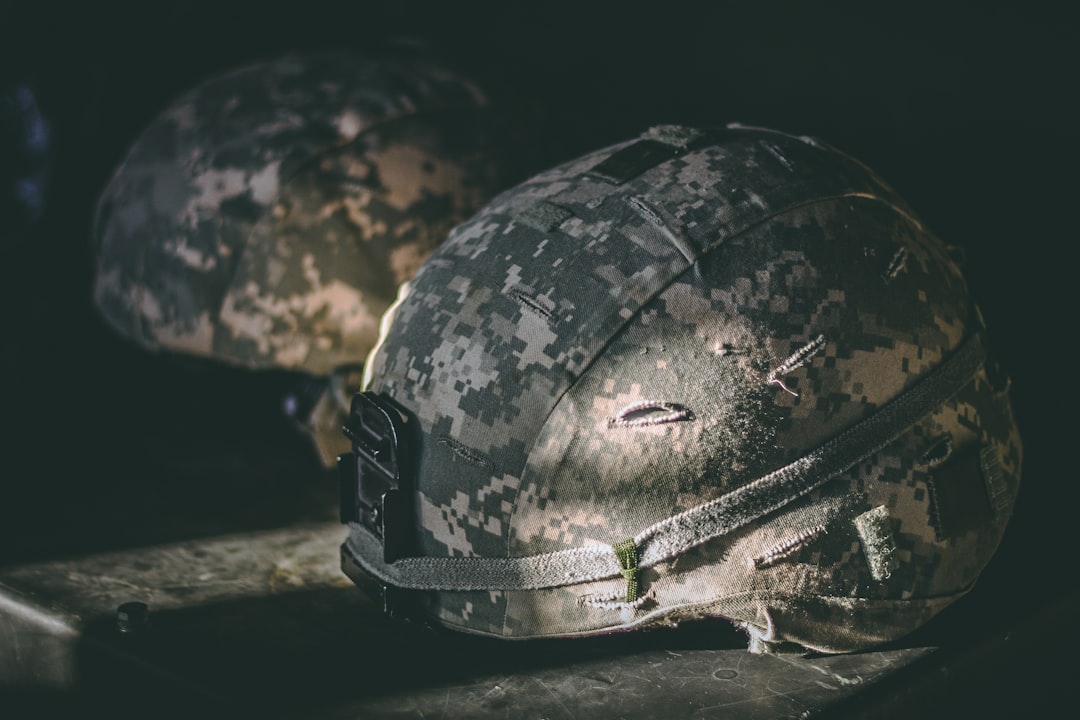
Starting a business holds tremendous potential for transforming the lives of veterans as they transition from military service to civilian life. This topic is of significant importance as it addresses the challenges and opportunities that arise when veterans embark on the entrepreneurial path. By delving into the experiences of veterans who have explored entrepreneurship, we gain insights into the profound impact it has on their lives and the broader community.
For many veterans, starting a business goes beyond mere financial gain. It becomes a pathway to rediscovering purpose and finding fulfillment in their post-military lives. The structure, discipline, and leadership skills instilled during their service often serve as a solid foundation for entrepreneurial endeavors. By channeling their determination and resourcefulness into building their own businesses, veterans are able to regain a sense of mission and drive.
One such inspiring example is the story of John, a former Marine Corps officer who started a technology consulting firm after leaving the military. For John, entrepreneurship provided a platform to continue serving others and make a meaningful impact. Through his business, he not only creates job opportunities for fellow veterans but also contributes to the local community by providing innovative solutions to businesses in need. Starting a business transformed John's life by allowing him to translate his military experience into a new mission-driven endeavor.
Moreover, entrepreneurship offers veterans the opportunity to overcome unique challenges they may face during their transition to civilian life. The structured environment of the military can sometimes make the unstructured nature of civilian life overwhelming. However, by starting a business, veterans can regain a sense of control and structure in their lives. They can set their own goals, create their own schedules, and build a supportive network of employees and customers.
Take Sarah, an Army veteran who started a fitness studio specializing in providing holistic wellness programs. For Sarah, entrepreneurship not only helped her overcome the challenges of transitioning from a highly regimented military lifestyle but also allowed her to address the mental and physical health needs of fellow veterans. Through her business, she has created a community that supports and uplifts veterans, providing them with the tools they need to thrive in civilian life.
Starting a business also fosters resilience in veterans. The ability to adapt, problem-solve, and persevere, which are honed during military service, are invaluable traits in the entrepreneurial world. Through the ups and downs of building a business, veterans learn to navigate obstacles, embrace failure as a learning opportunity, and bounce back stronger.
The story of Mike, a Navy SEAL veteran who started a manufacturing company, exemplifies this resilience. Despite facing numerous setbacks and unexpected challenges, Mike's determination and unwavering spirit enabled him to overcome each hurdle. Through his business, he not only achieved personal success but also created a workplace culture that embodies the camaraderie and teamwork he experienced in the military.
Entrepreneurship as a Path to Purpose: Supporting Veterans in Transition
For many veterans, the transition from military service to civilian life can be jarring. After experiencing the profound sense of mission and meaning that comes with serving one’s country, veterans often struggle to find that same sense of purpose in the civilian workforce. However, entrepreneurship offers a compelling pathway for rediscovering purpose and fulfillment. By starting their own ventures, veterans can continue to serve others while also leveraging their unique skills and experiences.
John, a former Army engineer, struggled with depression and anger after leaving the military. He missed the camaraderie of his unit and the sense that his work was making a meaningful impact. These feelings faded when John launched his own construction company specializing in disaster relief. Through his business, John could continue solving complex logistical problems while also actively helping communities in crisis. “My company gives me a renewed sense of purpose every day,” John reflects. “Responding to floods, fires, and hurricanes makes me feel like I’m still serving my country, just in a different way.”
For veterans like Susan, entrepreneurship provides a chance to address challenges facing fellow veterans. After losing her right leg in Afghanistan, Susan saw firsthand the shortcomings of prosthetic technologies. She launched a medical device startup aimed at revolutionizing prosthesis comfort and mobility. Driven by her personal experience, Susan now develops cutting-edge bionic limbs allowing amputees to regain functionality. “My company enables me to take the pain of what I went through and transform it into something that uplifts others,” she explains. Susan has found new purpose in pioneering technology that empowers the injured veteran community.
Some veteran entrepreneurs discover new avenues for purpose by translating their military skillsets to business leadership. Logan, a former Army captain, leverages his logistical expertise to run a successful regional trucking fleet. “Learning to effectively coordinate troops and supplies prepared me well for managing a transportation company,” says Logan. “My experience building cohesive teams under pressure made the transition to leading employees in a high-demand industry feel like a natural fit.” For Logan, his business allows extending his service by keeping supply chains running smoothly nationwide.
Overcoming Challenges: Veterans Embrace Entrepreneurship for Post-Military Success
Transitioning from the highly structured environment of military service to the less predictable civilian world presents unique challenges for many veterans. The regimented schedules and strict hierarchy that defined daily life are suddenly absent. Veterans must adjust to having more autonomy yet less clearly defined responsibilities.
For some, this transition period brings feelings of isolation, anxiety, and lack of direction. No longer surrounded by the tight-knit support of their unit, they struggle to build new communities outside the military domain. The civilian workplace may seem disorganized in comparison, lacking the distinct roles, protocols, and mission-driven purpose of their service experience.
However, it is this very challenge of adaptation that also makes entrepreneurship appealing to veterans. By starting their own business, they regain a sense of control over their circumstances and a clear purpose to work toward. The structure of business ownership provides stability during a time of change.
One such veteran overcoming this challenge is Phil, a former Marine who felt adrift after leaving the military. Unsure of how to apply his skills in the civilian sector, Phil was nervous about beginning anew. He discovered relief and renewed confidence upon launching his landscaping company, where he could utilize principles of logistics, project management, and team leadership harnessed as a Marine. "Owning my own business gives me the focus and direction I was missing. It allows me to take charge of my future," says Phil.
For some veterans facing mental or physical health issues stemming from their service, entrepreneurship presents an opportunity for healing through purpose and community. Sarah, an Army veteran suffering from post-traumatic stress disorder, found solace in starting a bakery catering to other veterans. "Building my business and being surrounded by others who truly understand what I've been through has been transformative to my recovery process," Sarah notes. Her flourishing venture now offers employmetn and camaraderie for veteran bakers as well.
Building Resilience: How Entrepreneurship Helps Veterans Thrive in Civilian Life
The challenges of entrepreneurship, from navigating the unknown to persevering through obstacles and setbacks, cultivate tremendous resilience. This trait, amplified through military training and experience confronting adversity, serves veterans well as business owners. However, resilience is about more than simply enduring difficulties—it enables flourishing even in the face of challenges. For veterans, entrepreneurship fosters a resilience that allows not just surviving but truly thriving after military service.
An exemplar is Nicholas, a Marine veteran struggling with physical limitations from injuries sustained overseas. Unwilling to let his disabilities determine his future, Nicholas started a gardening business with a focus on accessibility. Through building raised beds, removing barriers, and innovating adaptive tools, his company makes an active lifestyle possible for all. Nicholas reflects, "Each problem I solve through my business helps me problem-solve within myself." Now, he feels stronger than ever before.
Other veterans express similar experiences. As autonomous small business owners navigating unforeseen complications, they build resilience by creatively tackling issues rather than avoiding them. Laurel, an Army veteran running an event planning company, notes, "Entrepreneurship has strengthened my perseverance." Once paralyzing anxieties no longer deter her from embracing uncertainty. She thrives pursuing her passion.
Additionally, ventures born from military-honed skills give veterans an edge that helps them not just survive hardships but emerge empowered. Grant leads a welding firm using talents from a Navy engineering background. He observes, "Challenges are opportunities to apply expertise in new areas." Reframing struggles as growth opportunities fosters a resilience enabling Grant and others to achieve their full potential.
Finding Camaraderie and Support in the Entrepreneurial Community
Building meaningful connections and learning from others are integral to success for any entrepreneur, but this kinship holds special significance for veterans transitioning to civilian life. The camaraderie formed during military service is deeply impactful yet difficult to replicate outside its close-knit community. Fortunately, entrepreneurship cultivates fellowship that nurtures veterans’ wellbeing and progress.
Networking with other foundersbirths understandingof sharedtriumphsover challengesand failures.Tom,a Navyveteranwho launcheda techstartup,reflects,"Being my own bossisolating.Meeting other entrepreneursstoppedme from feelingalone."By joining localchaptersof organizationslikeVETTEC,he accessedmentorship,partnershipopportunities,andaboveall,friendshiplackingwithinhis personalnetwork."I feelpartof a teamevenas a solofounder,"hesays.Fellowshipgroundshim.
Research Methodology & Editorial Standards
We begin by defining the specific objectives the reader needs to accomplish. Primary product documentation and authoritative secondary sources are assembled into a verified research corpus; drafting occurs only after this foundation is in place.
Every quantitative claim is subjected to dual-source verification. Any figure that cannot be independently corroborated is either qualified or omitted.