
Anthropological Insights The Evolution of Supply Chain Risk Management
Ancient trade routes have provided valuable insights into the evolution of modern supply chain resilience. By studying these historical networks, scholars have unveiled how societies managed commerce, finance, and trade...
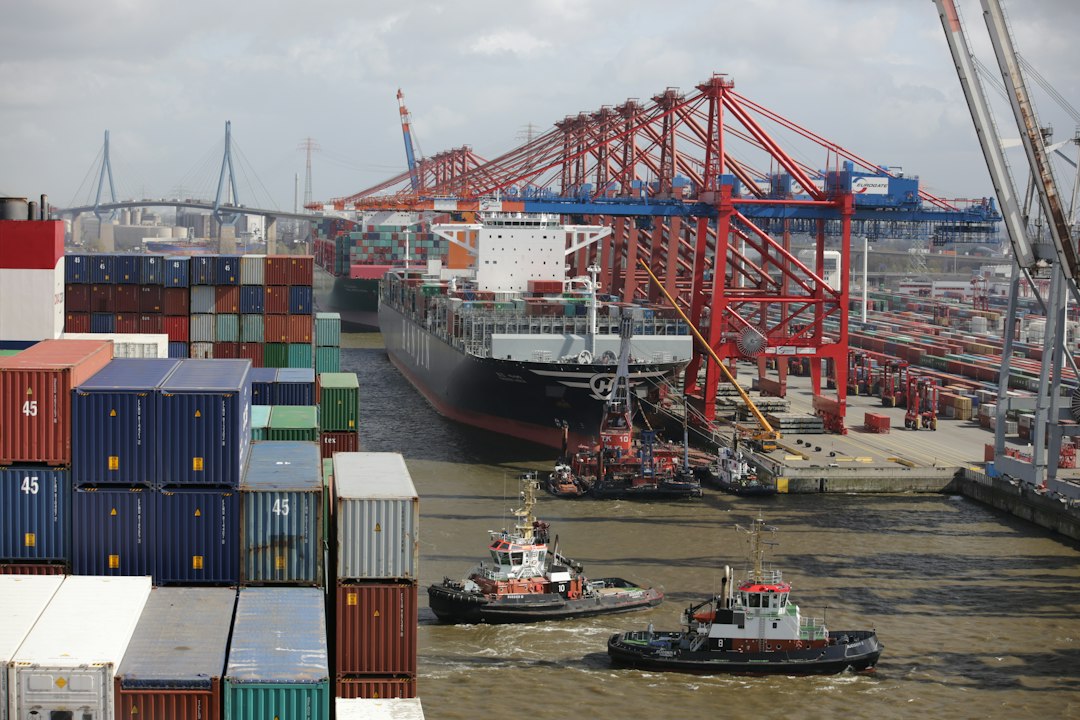
Ancient Trade Routes Inform Modern Supply Chain Resilience
Ancient trade routes have provided valuable insights into the evolution of modern supply chain resilience.
By studying these historical networks, scholars have unveiled how societies managed commerce, finance, and trade relationships in the past.
These findings emphasize the importance of adaptive, absorptive, and restorative capabilities in contemporary supply chain management, particularly in navigating disruptions and optimizing resource utilization.
The parallels drawn from ancient commerce inform current strategies, highlighting the need to learn from historical patterns to improve supply chain resilience today.
Anthropological insights from the study of ancient trade routes have revealed foundational principles for modern supply chain risk management.
The understanding of social structures and economic conditions helped historical traders anticipate and mitigate risks, such as theft, weather changes, or market fluctuations.
Similarly, today's supply chains can enhance their resilience by integrating these insights into their risk frameworks, focusing on relational dynamics and adaptive strategies to ensure continuity and efficiency in the face of uncertainties.
Historical Disruptions and Their Influence on Contemporary Practices
The evolution of supply chain risk management has been deeply influenced by the lessons learned from historical disruptions.
Scholars have increasingly focused on understanding how past events, from geopolitical shifts to systemic shocks, have shaped contemporary supply chain practices.
This research highlights the need for organizations to adopt flexible and resilient strategies, leveraging data analytics and predictive modeling to anticipate and respond to emerging challenges.
Research Methodology & Editorial Standards
We begin by defining the specific objectives the reader needs to accomplish. Primary product documentation and authoritative secondary sources are assembled into a verified research corpus; drafting occurs only after this foundation is in place.
Every quantitative claim is subjected to dual-source verification. Any figure that cannot be independently corroborated is either qualified or omitted.